Your baggage system works.
It just can't see.
Retrofit visual identification onto the baggage handling system you already run — lane by lane, with no change to the workflow and no new passenger process.
Three gaps every baggage operation lives with.
No-reads become manual encoding.
When the ATR comes up empty, someone walks the belt — and the bag is already heading for the exception queue.
Responsibility is split across four parties.
Airport, airlines, ground handlers and security each hold a piece. Between them, nobody owns the full picture of the bag.
No single owner of the picture.
The data that exists is about custody, not the bag itself — so identity, condition and size fall through the cracks.
A data position you don't have today.
Fewer manual interventions
Visual identity resolves no-reads before the bag reaches the exception queue — fewer belts walked, fewer manual encodes.
Retrofit lane by lane
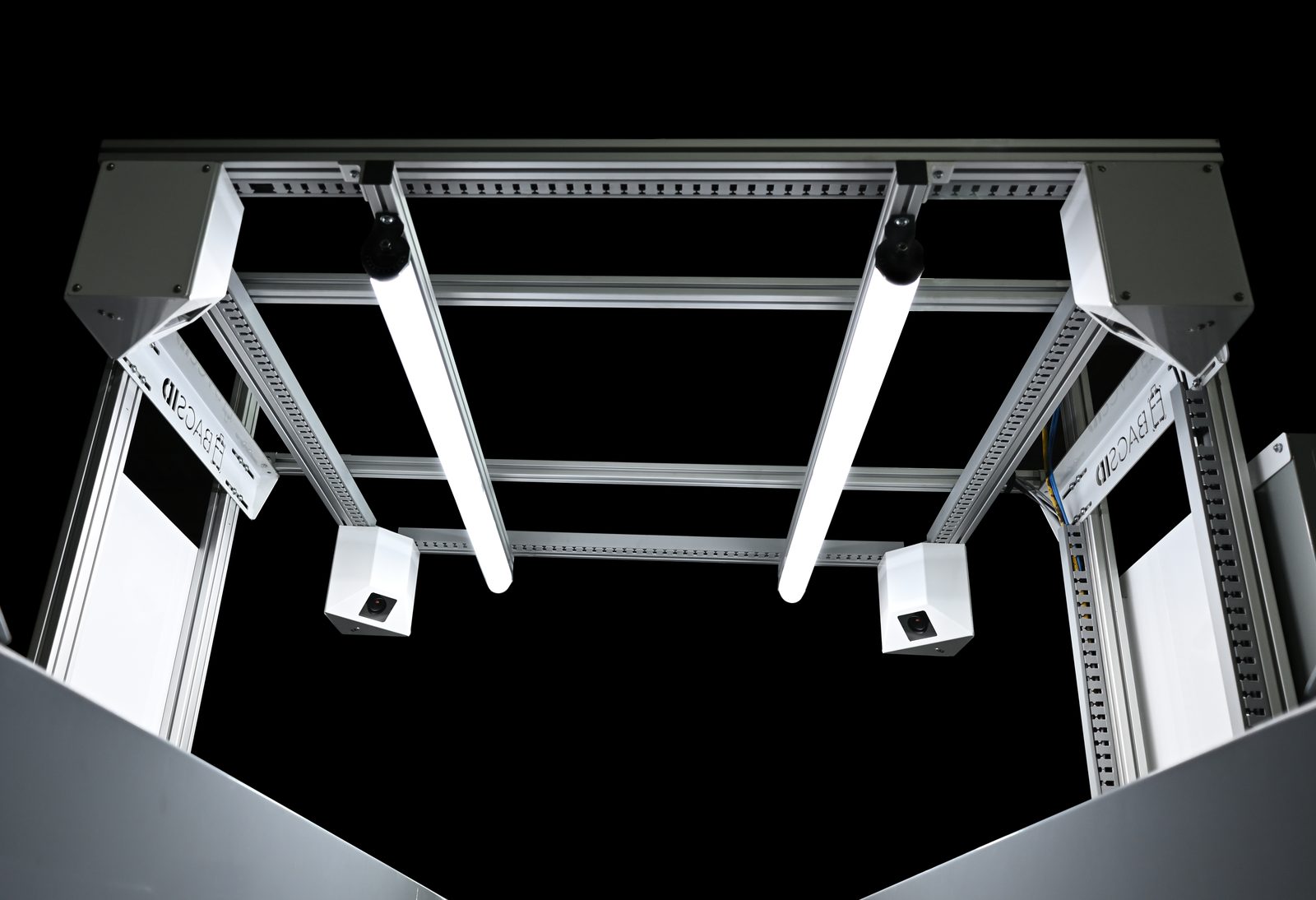
Runs on imagery from existing touchpoints. Start with one lane, prove it, expand — no rip-and-replace.
Privacy by design
Edge processing, baggage data only. No passenger images leave the building. GDPR/CCPA and IATA 753 aligned.
A new data position
Identity, condition and size become records you own — served to your systems through the BagTalk API.
Lead with BagBridge, add the rest.
Both products serve an airport operation — framed below the wing and above it.
Read rates up across live sites.
A named airport reference for this page is pending partner clearance.
Integration & disruption.
Do we have to change the BHS or the passenger process?
Where does processing happen, and what leaves the building?
How disruptive is deployment?
Who owns the data?
Start with one lane.
We prove the numbers on your own traffic before you commit to anything wider.