How BagsID works

Three steps from
camera to action.

Detect every bag. Turn it into data. Put that data where your teams can act on it — above the wing and below it.

STEP 01

Capture

We take images of every bag as it moves — at the bag drop, on the conveyor, through screening, at the e-gate. Nothing stops and passenger flow doesn't change. Where people are in frame, faces are blurred at capture. What the models read is the bag.
STEP 02

Understand

We turn the bag into data. Our models read the image and output what your operation needs — and what that is depends on the product.

STEP 03

Act

Data lands where decisions get made — dashboards for your operations teams, and the BagTalk API into your BHS, DCS or analytics platform. Alerts fire before a problem becomes an incident.

Below wing: multi-angle capture at bag drop builds the reference profile. Above wing: e-gate cameras detect every cabin item.

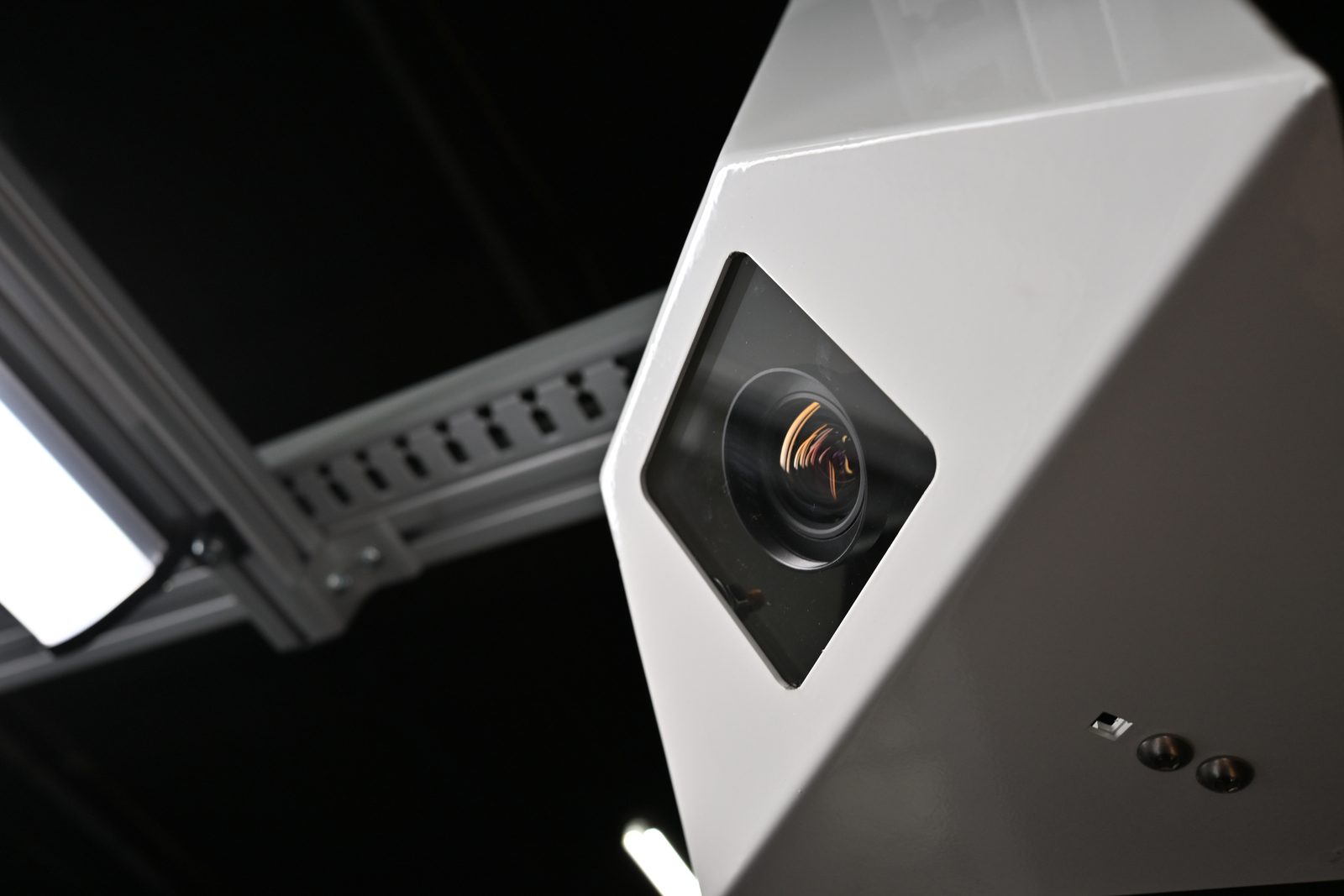
A camera unit mounted on the BagsID scanning arch
Capture — cameras read every bag
The AI

Built on baggage data nobody else has.

Model architectures are available to everyone. What isn't is millions of labelled images from live airport operations — bags on moving conveyors, bags that look identical, bags half-hidden behind other bags, damage that has to be told apart from a shadow.

Our models are trained on that. Every airport we add makes the models better for every airport already running them.

Privacy

Privacy built in at capture, not added later.

CarryOn takes images at the e-gate. We blur faces and mask people at the point of capture. Processing happens at the airport edge — no passenger images leave the building. The bag profile itself holds baggage attributes only.

GDPR and CCPA aligned. Aligned with the EU AI Act (Regulation 2024/1689) for high-risk AI systems.

Get started

Start with one lane.

We prove the numbers on your own traffic before you commit to anything wider.